General
Top 10 Common Mistakes in Construction (and How to Avoid Them)
2026-05-14 07:29:56

1. Poor Planning and Lack of Proper Drawings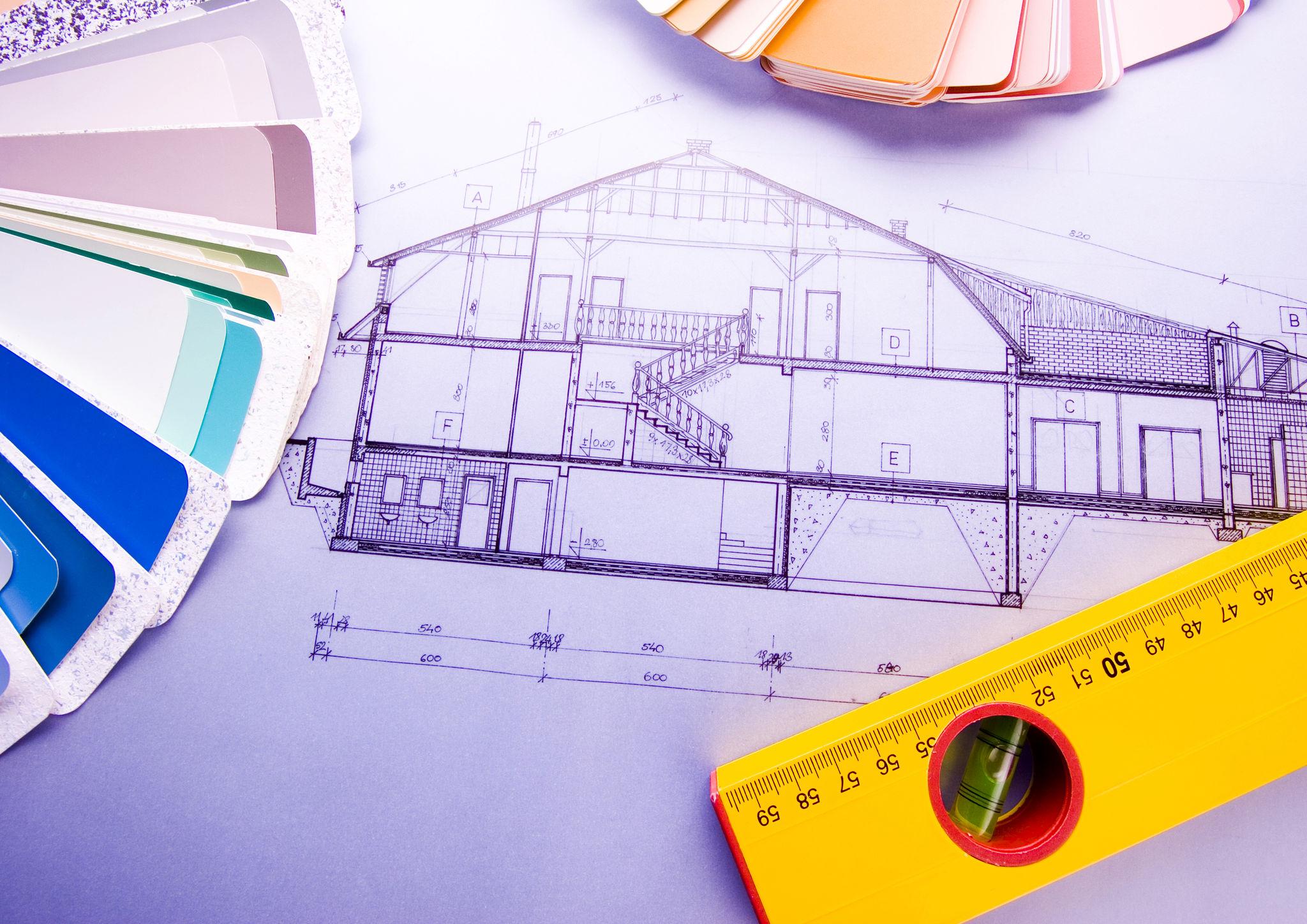
Starting construction without detailed architectural and structural drawings often results in inefficient layouts, wasted space, and costly changes later.
Solution:
Always work with a qualified architect and structural engineer before starting construction.
2. Weak or Improper Foundation
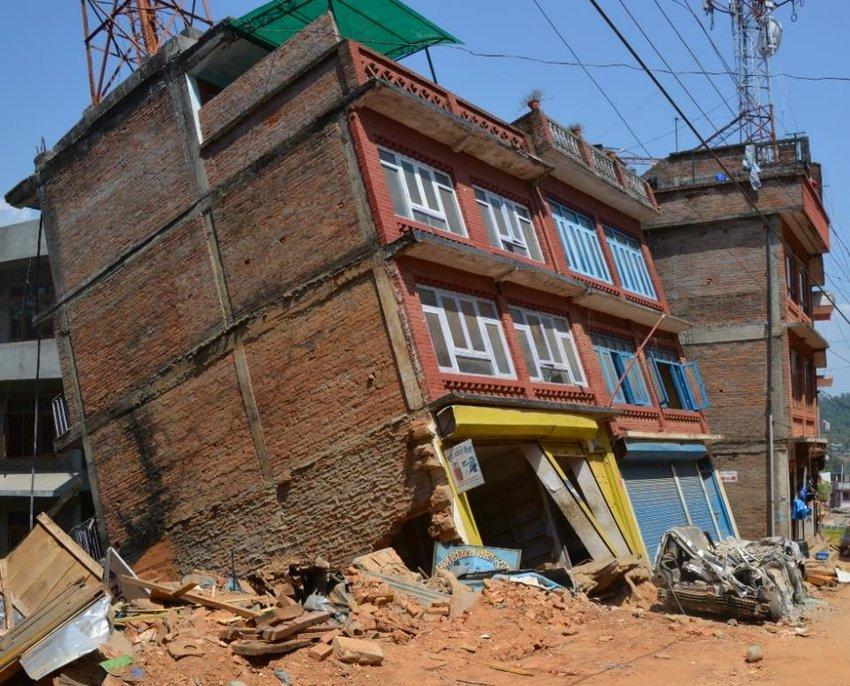
Ignoring soil conditions or using inadequate materials can compromise the entire structure.
Solution:
Conduct a soil test and ensure proper foundation design and reinforcement.
3. Use of Low-Quality Materials
Cheap materials may reduce initial costs but lead to cracks, leaks, and reduced durability.
Solution:
Invest in high-quality materials from trusted suppliers.
4. Lack of Waterproofing
Skipping waterproofing in roofs, bathrooms, and basements leads to seepage and structural damage.
Solution:
Apply proper waterproofing systems in all critical areas.
5. Poor Electrical Planning
Insufficient outlets and poor wiring design can create safety hazards and inconvenience.
Solution:
Plan electrical layout according to future needs and safety standards.
6. Faulty Plumbing Installation
Improper pipe installation or low-quality materials often cause leaks that require costly repairs.
Solution:
Use high-quality pipes and conduct pressure testing before finishing.
7. Ignoring Ventilation and Natural Light
Poor ventilation leads to dark, humid, and uncomfortable living spaces.
Solution:
Design proper window placement and ensure cross-ventilation.
8. Rushed Finishing Work

Hurrying through finishing stages like tiling, painting, and polishing leads to visible defects and poor aesthetics.
Solution:
Allow sufficient time and hire skilled labor for finishing work.
9. Lack of Site Supervision
Without proper supervision, workers may take shortcuts that affect quality.
Solution:
Ensure regular supervision by a qualified engineer or experienced contractor.
10. No Budget Buffer

Unexpected costs are common in construction, and lack of financial planning can cause stress or delays.
Solution:
Keep a contingency budget of at least 10–20% of the total cost.
 Chat on WhatsApp