General
Construction in Pakistan
2026-03-31 19:40:27
Introduction
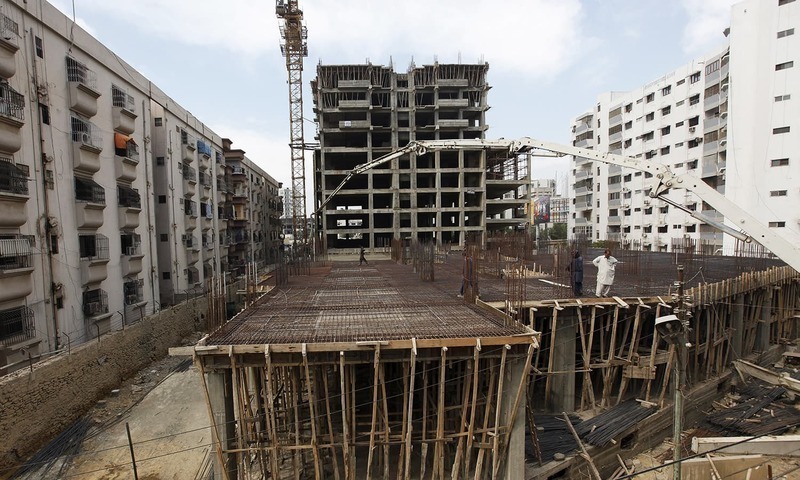
The construction industry in Pakistan plays a critical role in economic growth, infrastructure development, and employment generation. From housing societies to mega infrastructure projects, the sector continues to evolve despite economic challenges.
In recent years, Pakistan’s construction landscape has seen both rapid growth and significant setbacks due to inflation, policy changes, and global economic pressures.
Key Trends in Pakistan’s Construction Industry
1. Rapid Urbanization & Housing Demand
Pakistan faces a massive housing shortage, with demand for over 1 million new homes annually.
This has led to the growth of:
- Housing societies
- Vertical construction (apartments)
- Smart city concepts
2. Infrastructure Development (CPEC & Mega Projects)
Projects under CPEC (China-Pakistan Economic Corridor) and government initiatives are driving:
- Roads and highways
- Energy projects
- Industrial zones
These investments are expected to boost long-term construction growth.
3. Rising Construction Costs
The industry is facing serious cost pressure due to:
- Inflation
- Currency depreciation
- Expensive materials and energy
This has slowed down construction activity in recent years.
4. Shift Toward Technology
Although slow, the industry is gradually adopting:
- Project management software
- AI and automation tools
- Prefabrication techniques
However, adoption is still limited compared to global standards.
5. Sustainability & Green Construction
Environmental awareness is increasing, leading to:
- Eco-friendly materials
- Energy-efficient buildings
- Solar integration
Major Challenges in Pakistan’s Construction Industry
Common Construction Issues

1. Poor Planning & Project Management
Many projects suffer from:
- Delays
- Cost overruns
- Mismanagement
2. High Material Costs
Fluctuations in exchange rates and supply chains increase:
- Cement prices
- Steel costs
- Imported materials
3. Political & Economic Instability
Frequent policy changes and instability discourage:
- Foreign investment
- Long-term projects
4. Lack of Skilled Workforce
There is a shortage of trained:
- Engineers
- Technicians
- Skilled labor
This affects quality and efficiency.
5. Corruption & Weak Regulation
Issues include:
- Illegal construction
- Poor safety standards
- Lack of strict enforcement
6. Safety & Quality Concerns
Incidents like building collapses highlight:
- Weak structural compliance
- Poor inspection systems
Pros of Construction Industry in Pakistan
- High demand due to population growth
- Major contributor to GDP and employment
- Opportunities for startups and contractors
- Government infrastructure initiatives
- Potential for foreign investment
Cons of Construction Industry in Pakistan
- Rising costs reduce profitability
- Project delays and inefficiencies
- Lack of modern technology adoption
- Legal and land ownership issues
- Environmental concerns
Future Outlook
Despite current challenges, the construction industry in Pakistan is expected to recover and grow at around 4–5% annually after 2026.
Future growth will depend on:
- Economic stability
- Policy reforms
- Adoption of modern technologies
- Skilled workforce development
Conclusion
The construction industry in Pakistan stands at a critical turning point. While challenges like inflation, poor planning, and regulatory issues persist, the sector still holds immense potential due to rapid urbanization and infrastructure demand.
For platforms like PakDevelop, this creates a huge opportunity to connect:
- Contractors
- Builders
- Skilled workers
- Investors
 Chat on WhatsApp