General
Future of Construction Industry in Pakistan
2026-03-31 19:37:22
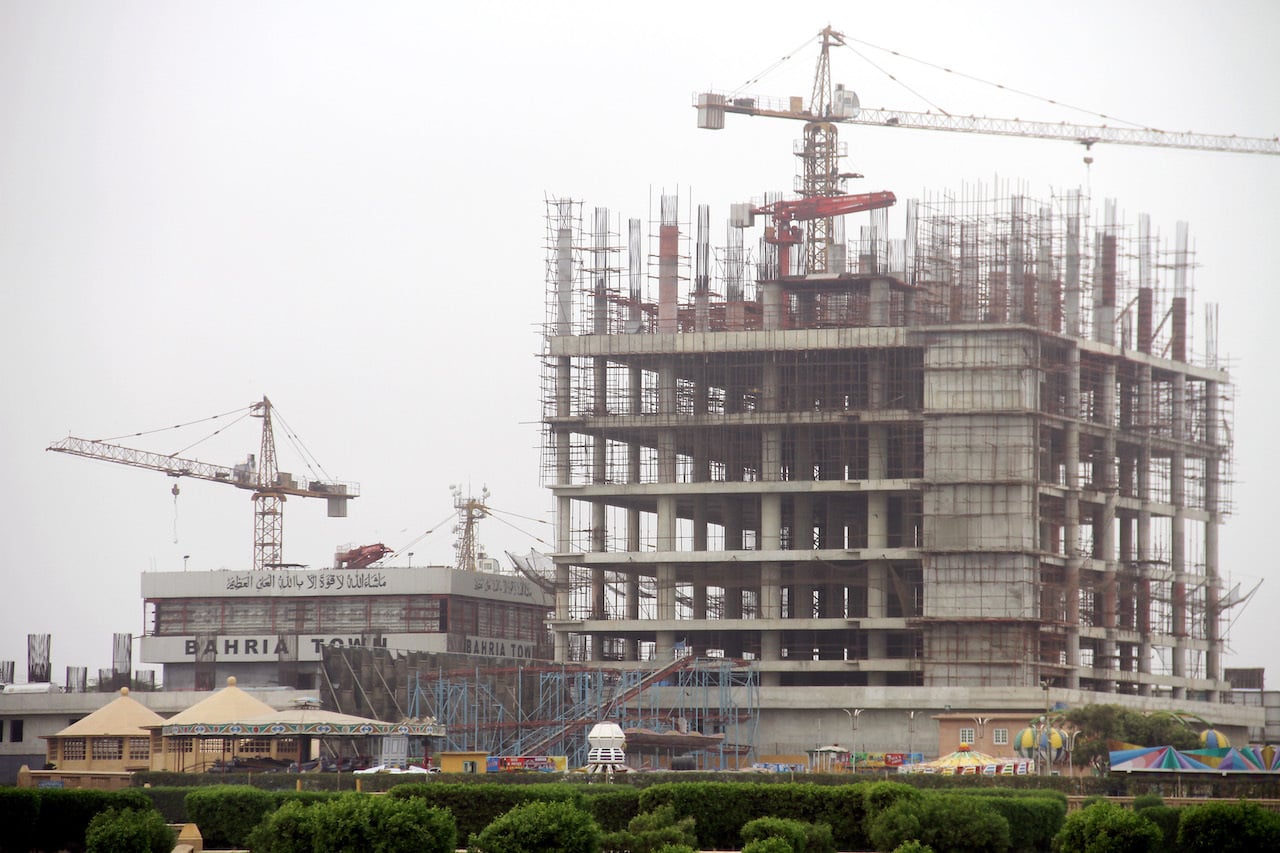
The construction industry in Pakistan is one of the most important sectors of the economy. It supports housing development, infrastructure growth, employment, and industrial expansion. As Pakistan’s population grows rapidly and urbanization increases, the demand for residential and commercial construction continues to rise.
For platforms like PakDevelop, this industry transformation creates significant opportunities to connect contractors, builders, and skilled workers.
Below is a detailed look at the future trends, opportunities, and challenges shaping Pakistan’s construction sector.
1. Rising Housing Demand
Pakistan faces a major housing shortage. Estimates often suggest a shortage of millions of housing units, especially in large cities like:
- Karachi
- Lahore
- Islamabad
With Pakistan’s population exceeding 240 million, urban migration is accelerating. More people are moving to cities for jobs and education, increasing the need for:
- residential societies
- apartment buildings
- commercial complexes
- infrastructure such as roads and bridges
Because of this, the construction sector is expected to remain a long-term growth industry.
2. Infrastructure Development
Large infrastructure programs are driving construction growth. One of the most significant initiatives is:
- China–Pakistan Economic Corridor
Projects under this initiative include:
- highways and motorways
- energy plants
- industrial zones
- logistics infrastructure
These projects are transforming transportation networks and increasing demand for construction companies, engineers, and contractors.
3. Growth of Housing Societies and Real Estate
Across Pakistan, new housing societies and real estate projects are emerging rapidly.
Developers are building:
- gated communities
- smart housing societies
- commercial centers
- mixed-use developments
Many middle-class families now prefer planned societies with modern facilities, which increases demand for construction services.
This trend creates opportunities for:
- builders
- contractors
- suppliers
- skilled labor
Platforms like PakDevelop can benefit by becoming a marketplace where construction projects and workers connect.
4. Digital Transformation in Construction
The construction industry in Pakistan has traditionally been offline and relationship-based. However, digital platforms are beginning to change how projects are managed.
Future trends include:
- online contractor marketplaces
- digital project management tools
- building information modeling (BIM)
- AI-based design and planning tools
This shift means contractors and workers will increasingly rely on online platforms to find projects, similar to how freelancers use digital marketplaces today.
5. Increasing Demand for Skilled Workers
Construction growth increases the need for skilled labor such as:
- masons (mistri)
- electricians
- plumbers
- painters
- carpenters
However, Pakistan faces a shortage of properly trained skilled workers. Many workers rely on informal hiring methods.
Digital platforms that allow workers to register profiles and receive project offers could significantly improve job opportunities and industry efficiency.
6. Adoption of Modern Construction Technologies
Pakistan’s construction industry is slowly adopting modern technologies, including:
- prefabricated building systems
- eco-friendly materials
- energy-efficient building designs
- automated construction equipment
In the future, these technologies could help reduce construction costs, improve quality, and speed up project completion.
7. Government Policies and Economic Factors
Government policies strongly influence construction activity. Incentives such as:
- housing finance programs
- construction tax relief
- infrastructure investments
can stimulate building activity.
However, economic instability, inflation, and rising material costs sometimes slow down construction projects.
Challenges Facing the Industry
Despite strong potential, the sector still faces several challenges:
- rising construction material costs
- lack of skilled labor training
- project delays and poor planning
- informal contractor hiring systems
- regulatory complexities
Solving these issues will be crucial for long-term growth.
Conclusion
The future of the construction industry in Pakistan remains promising due to population growth, infrastructure development, and rising housing demand. As the industry evolves, digital platforms and modern technologies will play a crucial role in improving efficiency and connecting builders, contractors, and skilled workers.
For emerging platforms like PakDevelop, this transformation presents an opportunity to become a central hub for Pakistan’s construction ecosystem.
By connecting projects, companies, and skilled workers, such platforms can help modernize the industry and support the country’s growing construction needs.
 Chat on WhatsApp